 905-953-9499


Understanding Dry Needling vs Acupuncture in Newmarket: A Structural Science Guide to Ease Needle Anxiety
TL;DR
Dry needling targets specific muscle trigger points using Western anatomical science, while acupuncture follows traditional Chinese medicine principles focusing on energy flow along meridians. Both therapies use thin needles but differ in their theoretical foundations, needle placement, and treatment goals, with dry needling being a precise structural approach commonly integrated into physiotherapy treatment plans.
─────────────────────────────────────────────
If you’re considering needle-based therapy for the first time, you’re not alone in feeling anxious about the process. Many active individuals in Newmarket wonder about the differences between dry needling and acupuncture, especially when needles are involved. Understanding the distinct approaches behind these therapies helps reduce anxiety and empowers you to make informed decisions about your treatment.
I’ve worked with countless patients who initially felt nervous about needling techniques, and I’ve found that knowledge is the best antidote to fear. Let me break down the structural science behind dry needling compared to acupuncture, so you feel confident about which approach aligns with your health and movement goals.
What is Dry Needling? A Structural Science Overview
Dry needling is a precise therapeutic technique grounded in Western anatomy and muscle physiology. The approach targets myofascial trigger points, which are tight bands of muscle tissue that contribute to pain, restricted movement, and decreased performance.
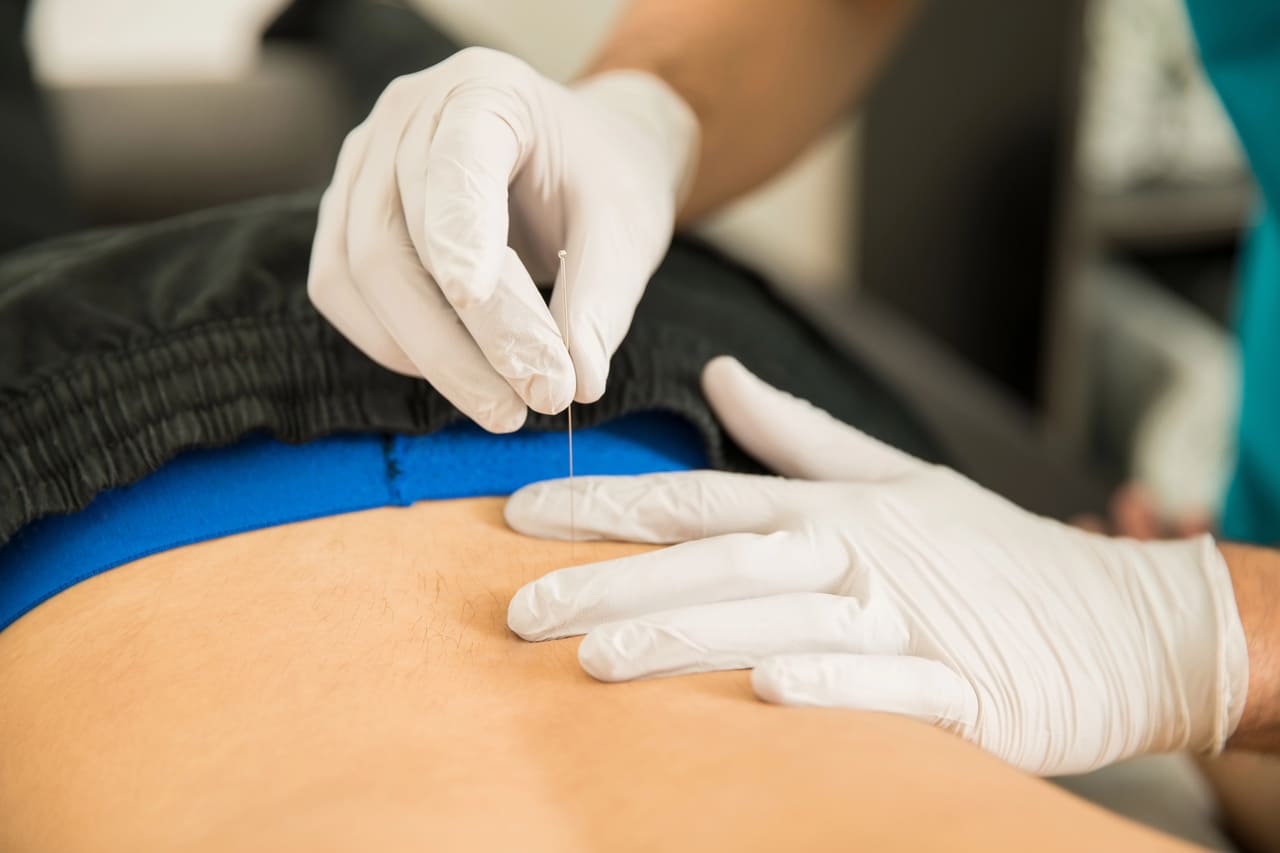
During treatment, I insert thin, solid needles directly into specific muscle tissues and fascial layers. The technique focuses on releasing muscle tension, improving blood flow, and restoring normal muscle function. Unlike acupuncture, dry needling does not involve meridian points or energy flow concepts, making it a purely anatomical intervention.
The needles used in dry needling are incredibly fine, similar to the thickness of a human hair. They’re inserted into muscles at varying depths depending on the target tissue. The goal is to elicit a local twitch response in the muscle, which helps reset muscle fiber tension and promote healing.
Key Components of Dry Needling
- Based on Western medical principles and anatomy
- Targets specific myofascial trigger points in muscles
- Aims to restore normal muscle function and movement
- Uses precise needle placement based on palpation and assessment
- Often integrated with other physiotherapy techniques
What is Acupuncture? Traditional Approaches Explained
Acupuncture is a traditional Chinese medicine practice that dates back thousands of years. The technique operates on the principle of balancing the body’s energy, known as Qi (pronounced “chee”), which flows through specific pathways called meridians.
Acupuncturists insert needles at predetermined acupuncture points along these meridian lines. The theory suggests that illness and pain result from blocked or imbalanced energy flow, and needle insertion helps restore proper Qi circulation throughout the body.
The approach is holistic, often considering your overall constitution, lifestyle, and emotional state. Needle placement follows traditional maps of acupuncture points rather than targeting specific anatomical structures like muscles or fascia.
Core Principles of Acupuncture
- Rooted in Traditional Chinese Medicine philosophy
- Focuses on energy flow (Qi) and meridian pathways
- Uses predetermined acupuncture points
- Takes a holistic approach to health and wellness
- Aims to restore energetic balance in the body
How Do Needle Techniques and Patient Experience Compare?
The needle techniques and sensations differ significantly between dry needling and acupuncture, affecting your treatment experience in distinct ways.
| Aspect | Dry Needling | Acupuncture |
|---|---|---|
| Needle Insertion | Direct into muscle trigger points | At specific meridian points |
| Depth | Varies based on muscle depth | Generally superficial to moderate |
| Sensation | Brief muscle twitch, temporary ache | Mild tingling, warmth, or heaviness |
| Duration | 5-30 seconds per insertion | 15-30 minutes with needles in place |
| Movement | Often includes guided movement | Typically involves rest and relaxation |
In my experience with dry needling, patients often describe the sensation as a brief, deep muscle ache followed by relief. The needle insertion itself feels similar to a small pinch, and the therapeutic response happens quickly.
With acupuncture, patients typically report more subtle sensations like tingling, warmth, or a feeling of energy moving through their body. The needles usually remain in place for 15-30 minutes, allowing for deeper relaxation.
How Do I Manage Needle Anxiety Before My First Session?
Needle anxiety is completely normal, and I’ve developed strategies to help first-time patients feel comfortable and confident during their treatment.
Pre-Treatment Preparation
- Communicate openly: Share your concerns with your practitioner beforehand so they adjust their approach
- Start slowly: Begin with fewer needles or shorter sessions to build comfort gradually
- Practice breathing: Deep, controlled breathing helps activate your parasympathetic nervous system
- Stay hydrated: Proper hydration supports your body’s response to treatment
- Ask questions: Understanding each step of the process reduces uncertainty and fear
I always explain exactly what you’ll experience before beginning any needling technique. This includes showing you the needle size, demonstrating the insertion technique, and walking through the expected sensations. Knowledge removes the fear of the unknown.
Many patients find it helpful to focus on their breathing during needle insertion. I guide you through relaxation techniques and ensure you’re comfortable with the pace of treatment. We always start conservatively and progress based on your comfort level.
How Does Dry Needling Support Your Physiotherapy Goals in Newmarket?
Dry needling serves as a powerful complement to comprehensive physiotherapy treatment, particularly for active individuals dealing with muscle tension, movement restrictions, or performance limitations.
I integrate dry needling into physiotherapy treatment plans when specific muscle trigger points limit your progress. The technique helps reset muscle function, allowing other interventions like exercise therapy, manual therapy, and movement training to be more effective.
Research demonstrates the efficacy of both dry needling and acupuncture in managing various pain conditions, with dry needling showing particular promise for myofascial pain and muscle dysfunction.
Treatment Integration Benefits
- Addresses muscle trigger points that limit movement quality
- Enhances the effectiveness of exercise therapy
- Supports faster recovery from training and competition
- Improves tissue quality for better manual therapy outcomes
- Helps achieve measurable functional improvements
The goal-driven approach means we track your progress through objective measures like range of motion, strength testing, and functional movement assessments. This ensures dry needling contributes meaningfully to your overall treatment outcomes.
Key Takeaways
- Dry needling uses Western anatomical science to target muscle trigger points, while acupuncture follows traditional Chinese medicine principles focusing on energy flow along meridians.
- Needle sensations differ between techniques: dry needling produces brief muscle twitches and temporary aches, while acupuncture typically creates subtle tingling or warmth.
- Both therapies use extremely thin needles similar to hair thickness, making the insertion sensation minimal for most patients.
- Open communication with your practitioner about needle anxiety allows for personalized approaches that build comfort gradually.
- Dry needling integrates effectively with physiotherapy treatment plans to address muscle dysfunction and support measurable functional improvements.
- Understanding the scientific basis behind each technique helps reduce anxiety and empowers informed treatment decisions.
Ready to Explore Needling Techniques for Your Movement Goals?
Whether you’re curious about dry needling or acupuncture, the first step is an honest conversation about your goals, concerns, and treatment preferences. At Athletify, we prioritize your comfort and understanding throughout the entire process.
I’m committed to helping you move better, perform at your best, and feel confident about your treatment choices. Let’s discuss which needling approach aligns with your specific needs and how we address any anxiety you might have about the process.
Book a consultation today to explore how evidence-informed needling techniques support your journey toward better movement, reduced pain, and improved performance in Newmarket.
FAQs
What is the difference between dry needling and acupuncture?
Dry needling targets specific muscle trigger points based on Western anatomy and physiology, while acupuncture follows traditional Chinese medicine principles using predetermined points along energy meridians. Dry needling focuses on muscle function and movement, whereas acupuncture aims to balance energy flow throughout the body.
Will dry needling or acupuncture cause pain or discomfort during treatment?
Both techniques involve minimal discomfort during needle insertion, similar to a small pinch. Dry needling may produce a brief muscle twitch and temporary ache in the target muscle, while acupuncture typically creates subtle sensations like tingling or warmth. Most patients find the sensations tolerable and often therapeutic.
How do I manage needle anxiety before my first session?
Communicate openly with your practitioner about your concerns, start with shorter sessions or fewer needles, practice deep breathing techniques, and ask questions about each step of the process. Understanding what to expect and having control over the treatment pace significantly reduces anxiety for most first-time patients.