 905-953-9499


Perimenopause Joint Pain and Physio: Physical Symptoms Women Often Miss
TL;DR
Many women in their 40s and 50s seek physiotherapy for joint pain, frozen shoulder, hip discomfort, or knee irritation without connecting those symptoms to perimenopause. Hormonal shifts during this transition period contribute to changes in tissue sensitivity, recovery, and musculoskeletal comfort for some women. A movement-based physiotherapy assessment looks at strength, mobility, load tolerance, and functional goals to support daily activity and physical performance.
──────────────────────────────────────────────
You Trained Through Worse. So Why Does This Hurt?
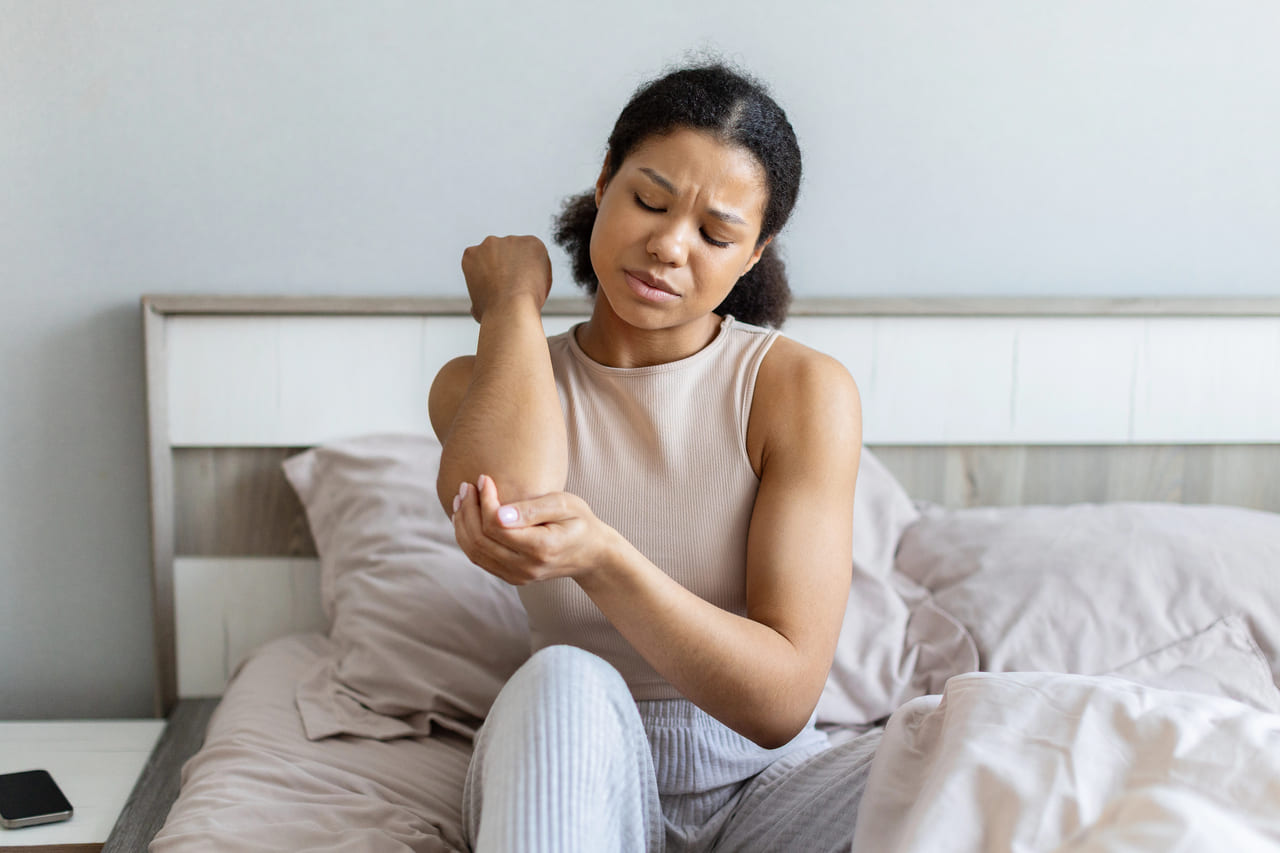
You have not changed your routine much. You are still active, still moving, still doing the things you have always done. But something feels different. Your shoulder is stiff in the morning. Your hips ache after a run. Your knees protest on stairs in a way they did not a year ago. And recovery feels slower than it used to.
For a lot of active women in their 40s and 50s, this is the moment they book a physiotherapy appointment. The pain is real. The frustration is real. And very often, the hormonal picture running in the background has not come up in the conversation yet.
This post covers the physical symptoms that bring many women to physio, why perimenopause deserves a place in that conversation, and how a movement-based assessment addresses what your body is actually dealing with.
Why Does Perimenopause Feel Like a Sudden Change in Your Body?
Perimenopause is the transitional phase before menopause, during which estrogen and other hormones fluctuate in ways that affect far more than your menstrual cycle. According to the World Health Organization, menopause is defined as 12 consecutive months without a menstrual period, and the years leading up to that point involve significant hormonal variability.
Estrogen receptors exist in tendons, ligaments, cartilage, and synovial tissue throughout the body. When estrogen fluctuates, some women notice changes in joint comfort, tissue sensitivity, recovery speed, and physical resilience. Research published in Perimenopause: From Research to Practice (PubMed Central) notes that musculoskeletal symptoms are among the physical changes associated with this transition, alongside sleep disruption, fatigue, and mood changes.
This does not mean hormones are always the sole explanation. Load, sleep quality, stress, training habits, and previous injuries all shape how your body feels and performs. But hormonal changes and body pain during perimenopause are more connected than many women initially realize, and overlooking that connection leads to incomplete care.
What Physical Symptoms Bring Women to Physio During This Time?
The symptoms that prompt women to seek physiotherapy during perimenopause are often familiar to a physio but not obviously hormonal to the person experiencing them. They include:
- Joint aches that shift location or feel more pronounced after workouts, long periods of sitting, or demanding days
- Shoulder stiffness or reduced range of motion, including early frozen shoulder symptoms
- Hip and knee discomfort with stairs, squatting, running, hiking, or getting up from a chair
- Tendon irritation at the glutes, Achilles, elbows, or shoulders
- Low back or pelvic-region discomfort connected to changes in core load tolerance or mobility
- A sense of slower recovery, reduced strength, or feeling less resilient during normal training or daily movement
What matters here is that none of these are trivial. If your shoulder is limiting your overhead press, your hips are slowing down your runs, or your knees are making you dread stairs, that is a meaningful change in how you move and live. Dismissing these symptoms as normal aging or stress is not helpful. They deserve real assessment and a real plan.
Why Do Frozen Shoulder, Hip Pain, and Knee Pain Get Attention First?
These three symptoms rise to the top quickly because they interfere with daily function in ways that are hard to ignore. Frozen shoulder affects your ability to reach overhead, sleep comfortably, dress, and train. Hip and knee pain limits stairs, walking, squats, and sport. When movement becomes restricted, it affects not just performance but confidence in your body.
Frozen Shoulder During Perimenopause
Frozen shoulder, clinically known as adhesive capsulitis, involves progressive stiffness and reduced range of motion in the shoulder joint due to inflammation and thickening of the joint capsule. Some women notice frozen shoulder symptoms during perimenopause, and while the exact relationship is still being studied, hormonal changes are considered a contributing factor among others including previous shoulder injury, inactivity, or systemic conditions like diabetes. An assessment helps clarify what is driving your particular presentation before treatment begins.
Perimenopause Hip and Knee Pain
Hip and knee discomfort during perimenopause often involves a combination of tendon sensitivity, strength changes, altered movement patterns, and reduced load tolerance. This is not about damage. Pain is frequently a signal that your system is under more demand than it currently handles well. Perimenopause hip and knee pain responds well to progressive loading, movement retraining, and adjustments to training load, all areas that physiotherapy addresses directly.
How Does Physiotherapy Support Perimenopause-Related Body Pain?
Physio for perimenopause symptoms starts with a thorough movement-based assessment. That means looking at strength, mobility, joint range, balance, training history, recovery habits, sleep, and what you are working toward. Not just where it hurts.
From there, a physiotherapy plan for these symptoms typically includes:
| Area of Focus | What It Involves |
|---|---|
| Progressive strength work | Building load tolerance in muscles and tendons to support joints and reduce irritability |
| Mobility and range of motion | Targeted work for shoulder, hip, knee, and spinal mobility based on your assessment |
| Load management | Adjusting training volume, intensity, or recovery to match your current capacity |
| Manual therapy | Hands-on techniques to address joint stiffness, tissue restriction, and movement quality |
| Movement retraining | Refining mechanics for squats, stairs, overhead movements, or running as needed |
| Education and self-management | Understanding your symptoms, pacing, and strategies to maintain progress independently |
The goal is not generic symptom reduction. It is getting you back to lifting, running, hiking, playing sport, keeping up at work, or simply moving through your day with more ease and confidence. Many women who go through this process notice improved mobility, stronger movement patterns, and a better sense of what their body needs at this stage.
It is also worth noting that physiotherapy fits well within a broader care approach. The Women and Diversity Health Guide to Menopause from Canada.ca encourages women to work with their healthcare team to address the full range of perimenopause-related changes, and physio is a natural part of that team when musculoskeletal symptoms are involved.
When Should You Check In With a Healthcare Provider?
New, persistent, or worsening symptoms are always worth discussing with a qualified healthcare provider. If your pain is changing your movement, affecting your sleep, or limiting your daily activities, that is a reasonable threshold for seeking assessment.
Some symptoms warrant prompt medical attention and should not be managed with physio alone as a first step. These include significant swelling with no clear cause, sudden severe pain, unexplained weight loss, fever, chest pain, shortness of breath, neurological symptoms such as numbness or weakness, or pain following trauma.
If your musculoskeletal symptoms overlap with cycle changes, significant sleep disruption, mood changes, urinary symptoms, or hot flashes, a collaborative approach with your physician or another primary care provider alongside physiotherapy makes the most sense. These transitions do not happen in separate systems, and your care does not have to either.
What Should You Track Before Your Physio Appointment?
Coming in prepared helps you get more from your first session. Before your appointment, take note of:
- Pain location, timing, and intensity, and what movements make it better or worse
- Cycle changes, sleep quality, stress levels, training load, and recovery time
- Specific functional limits: stairs, squats, overhead reach, lifting, running pace, or sport performance
- Your goals, whether that is returning to a specific activity, managing daily tasks with less discomfort, or building back strength over time
This information helps build a plan around measurable progress and real-life demands rather than a generic protocol.
Key Takeaways
- Perimenopause involves hormonal fluctuations that affect more than the menstrual cycle; musculoskeletal symptoms including joint aches, shoulder stiffness, hip and knee pain, and slower recovery are associated with this transition for some women.
- Frozen shoulder, hip pain, and knee pain are among the most common symptoms that bring women to physiotherapy during midlife, often without an awareness of the hormonal context.
- Pain during perimenopause does not always signal structural damage; it frequently reflects changes in load tolerance, tissue sensitivity, and recovery capacity that physiotherapy addresses directly.
- A physiotherapy assessment looks at strength, mobility, joint range, training load, and functional goals, not just the site of pain.
- Physiotherapy works well alongside medical care, particularly when symptoms involve both movement changes and broader perimenopause-related health factors.
- Tracking your symptoms, functional limits, and personal goals before your first appointment helps your physio build a plan that reflects where you are and where you want to go.
Ready to Look at the Full Picture?
If joint pain, shoulder stiffness, hip discomfort, or knee irritation is changing how you train, work, or move through your day, you do not need to keep adapting around it. These symptoms are worth assessing properly.
At Athletify in Newmarket, ON, our physiotherapy team takes a movement-based approach that accounts for strength, mobility, load tolerance, recovery, and the physical changes that come with perimenopause. We build plans around your goals, your body, and where you want to be.
Book a physiotherapy assessment and take a concrete step toward moving with more confidence, better control, and a clear plan.
FAQs
Can perimenopause cause joint pain?
Perimenopause is associated with joint aches, muscle discomfort, and changes in recovery for some women. Hormones are one contributing factor, but load, sleep quality, stress, training habits, and previous injuries also play a role. A physiotherapy assessment helps identify what is driving your specific symptoms.
Is frozen shoulder more common during perimenopause?
Some women notice frozen shoulder symptoms during midlife, and hormonal changes are considered a contributing factor to tissue sensitivity and mobility changes in the shoulder. An assessment is important to understand the specific movement restrictions and contributing factors in your case before a treatment plan is developed.
Can physio help with perimenopause hip and knee pain?
Physiotherapy for perimenopause-related hip and knee pain involves assessing movement quality, strength, mobility, and load tolerance, then building a progressive plan to support daily activity, exercise, and performance. Many women who go through this process notice improved movement and greater confidence in their body’s capacity over time.