 905-953-9499


Achilles Tendonitis and Staying Active: What Frustrated Athletes Need to Know
TL;DR
Achilles tendonitis does not always require a full stop on training, but pushing through without adjusting your load is one of the most common ways active people make it worse. The key is smarter load management, not a binary choice between rest and full training. Physiotherapy for achilles tendonitis can help you identify contributing factors, build strength progressively, and follow a clear plan toward returning to sport.
──────────────────────────────────────────────────────
Introduction
Your Achilles starts nagging. Maybe it is stiff when you get out of bed, or it flares up the morning after a hard run. You have a race on the calendar, a league game this weekend, or a training routine you have worked hard to build. Stopping feels out of the question, but every step is a reminder that something is off.
The internet does not help. One source tells you to rest completely. Another says to stretch aggressively. A third recommends eccentric calf raises, ice, new shoes, or all of the above. You are left piecing together a plan from conflicting advice and hoping for the best.
Here is what most of that advice misses: achilles tendonitis often requires smarter load management, not simply pushing through or shutting everything down. This post covers why the condition feels so frustrating for active people, what training mistakes tend to make it worse, how to modify activity without losing fitness, and how physiotherapy supports a more structured return to sport.
Why Does Achilles Tendonitis Feel So Frustrating for Active People?
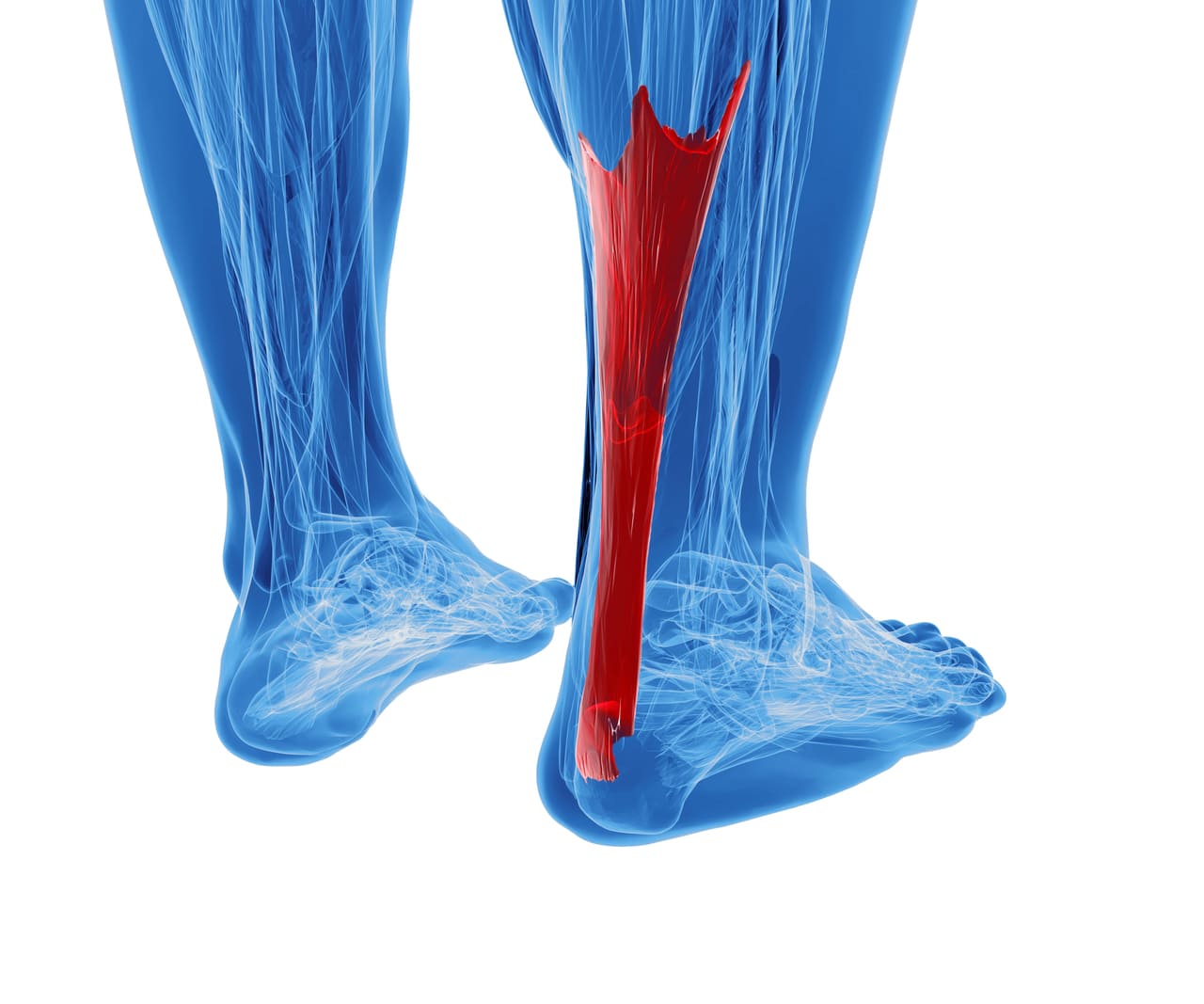
The symptom pattern itself is part of the problem. Achilles tendonitis, an overuse condition involving irritation of the Achilles tendon connecting your calf muscles to your heel bone, tends to behave inconsistently. It is often stiff and sore in the morning, loosens up once you are moving, feels manageable mid-workout, and then flares up again afterward. That cycle makes it genuinely hard to know whether you are doing damage or making progress.
For athletes and active people, the frustration runs deeper than physical discomfort. Training is tied to identity, stress relief, social connection, and performance goals. Being told to “take it easy” without a concrete plan feels like a loss with no clear endpoint.
What active patients typically want is not reassurance. They want a clear plan with measurable checkpoints. The problem with most generic advice, whether online or from a quick clinic visit, is that it rarely accounts for your training history, sport demands, strength capacity, or how your tendon is actually responding to load. That gap between what you need and what you are getting is exactly where frustration builds.
What Is the Biggest Training Mistake With Achilles Tendonitis?
Pushing through without adjusting your load is the most common way active people stall their recovery. The Achilles tendon responds to mechanical stress, and when load consistently exceeds what the tendon tolerates, irritation persists regardless of how much you stretch or ice.
Common training factors that contribute to flare-ups include:
- Increasing running mileage too quickly
- Adding hills, speed work, or tempo sessions without building gradually
- High volumes of jumping or plyometric work in court sports or training programs
- Back-to-back training days without adequate recovery
- Abrupt footwear changes, including switching to minimalist shoes or new running shoes
One of the most useful shifts you can make is tracking symptoms over a 24-hour window rather than judging how you feel mid-workout. Research on tendon loading and exercise supports monitoring next-day stiffness and pain response as a more reliable guide than in-session discomfort alone. If you wake up the morning after a run feeling significantly stiffer or more tender at the Achilles, that is a signal worth paying attention to, even if the run itself felt fine.
Learning how to manage achilles tendonitis and keep exercising starts with understanding that load is the variable, not willpower.
Can You Keep Exercising With Achilles Tendonitis?
For many active people, some level of continued exercise is appropriate, but it depends on symptom behaviour, the demands of your sport, and what a clinical assessment reveals about your current tendon tolerance.
Rather than a full shutdown, the goal is usually activity substitution and load reduction. Lower-impact options that many athletes tolerate well during recovery include cycling, swimming, controlled gym-based strength training, and aqua jogging. These allow you to maintain cardiovascular fitness and strength while reducing the repetitive impact stress on the Achilles.
For runners and court sport athletes, practical swaps worth considering include:
| Original Training Variable | Modified Approach |
|---|---|
| Hill runs or incline treadmill work | Flat surface running at reduced volume |
| Speed intervals or tempo runs | Easy-paced aerobic running with longer recovery |
| Back-to-back training days | Alternating run days with low-impact cross-training |
| High jump or plyometric volume | Strength-based alternatives without explosive takeoff |
One important safety note: if you experience sudden sharp pain at the Achilles, a popping sensation, significant swelling, bruising, or difficulty walking, stop activity and seek medical attention. These signs may indicate something more serious than tendon irritation. You can read more about achilles tendonitis treatment options and what to watch for on the Athletify Achilles tendinitis page.
Why Do Random Stretching and Generic Exercises Often Backfire?
Not all Achilles tendon irritation responds the same way to stretching, and following a generic routine without understanding your specific presentation is one of the more common ways people slow their own recovery.
Insertional Achilles tendonitis, where irritation occurs close to the heel bone attachment, often responds poorly to aggressive stretching. The Mayo Clinic notes that treatment approaches differ depending on where along the tendon the symptoms are located. Applying the same stretching protocol regardless of symptom location risks compressing the insertion further rather than reducing irritation.
Beyond location, exercises found online typically miss several key contributing factors:
- Calf strength deficits relative to body weight and sport demands
- Ankle mobility restrictions affecting how load transfers up the chain
- Hip and glute strength gaps that increase demand on the Achilles during running
- Running or movement mechanics that place excessive stress on the tendon
- Training load and recovery patterns that maintain ongoing irritation
Physiotherapy for achilles tendonitis accounts for all of these variables. A structured progression, moving from isometric calf holds to isotonic loading, then to plyometric and sport-specific work, is outlined in MGH’s rehabilitation protocol for achilles tendinitis. That kind of sequencing matters because each stage builds the tendon capacity needed for the next.
How Does Physiotherapy Support Active Recovery and Return to Sport?
Physiotherapy gives active patients something most generic advice cannot: a structured, measurable plan built around your specific movement capacity and goals.
An athlete-focused physiotherapy assessment for achilles tendonitis typically includes:
- A review of training history, load patterns, and symptom timeline
- Strength testing of the calf and surrounding musculature
- Assessment of ankle mobility and lower limb mechanics
- Graded loading progressions tied to symptom response
- Gait or running analysis where relevant
- Footwear review and training schedule adjustments
- Clear milestones for progressing from gym work to running, jumping, and sport-specific demands
The return to sport with achilles tendonitis is not just about waiting until the pain settles at rest. It is about building enough tendon capacity and neuromuscular control to tolerate the forces your sport actually places on the tissue. That requires progressive loading under clinical guidance, not guesswork about when you feel ready.
If you are dealing with ankle-related pain alongside Achilles symptoms, it is worth having both assessed together. The Athletify ankle pain page covers how these areas often interact.
Practical Recovery Tips for Athletes Who Dislike Taking Time Off
Recovery does not have to mean passive waiting. These achilles tendonitis recovery tips for athletes focus on what you can do actively to support the process:
- Keep a training log. Track pain levels before and after sessions, morning stiffness, total volume, sleep quality, and recovery days. Patterns become visible over time in ways they never do from memory alone.
- Change one variable at a time. If you are modifying training, adjust intensity, volume, frequency, surface, or footwear one at a time so you can identify what is actually affecting your symptoms.
- Prioritize consistent strength work. Random calf raises when it hurts are not a program. Structured, progressive calf loading done consistently is what builds tendon capacity over time.
- Invest in your warm-up. A thorough warm-up before running or sport reduces the abrupt mechanical demand placed on a tendon that is already sensitive.
- Respect gradual progressions. The 10 percent weekly increase guideline for running volume exists for a reason. Tendons adapt more slowly than muscles and cardiovascular fitness, so your training timeline needs to account for that.
- Avoid sudden footwear changes. Switching to a lower heel-drop shoe or a new model mid-training cycle places unfamiliar demands on the Achilles. Any footwear transition should be gradual.
Key Takeaways
- Achilles tendonitis symptoms are often unpredictable, feeling better mid-activity and worse the following morning, which makes self-management genuinely difficult without a structured approach.
- Pushing through training without adjusting load is one of the primary reasons active people experience prolonged irritation rather than improvement.
- Monitoring symptoms over a 24-hour window after training is a more reliable guide than how the tendon feels during exercise alone.
- Some active individuals tolerate modified training during recovery, but activity modifications should be based on symptom response and clinical guidance, not guesswork.
- Generic stretching routines often miss key contributing factors like calf strength, ankle mobility, hip control, and running mechanics, all of which influence Achilles load.
- A physiotherapy-guided plan provides progressive loading benchmarks and return-to-sport milestones that support recovery without requiring a full stop on activity.
Ready to Train Smarter?
If Achilles pain is making every training decision feel uncertain, a physiotherapy assessment at Athletify in Newmarket, ON gives you a clearer picture of what is contributing to your symptoms and what a realistic return to sport looks like for you.
We assess your movement capacity, calf strength, training load, and sport demands to build a plan that is specific to your goals, whether that is getting back to running, returning to a court sport, training in the gym without setbacks, or simply moving through your day without the morning Achilles stiffness.
The goal is to help you train smarter, progress with clarity, and build confidence in your movement again.
Frequently Asked Questions
Can I run with achilles tendonitis?
Some runners continue with modified training during recovery, but whether that is appropriate depends on your symptom response, current workload, and tendon sensitivity. If running increases next-day stiffness or pain at the Achilles, that is a sign to reduce volume, speed, or hill work and get a proper assessment before continuing.
How long does achilles tendonitis usually take to improve?
Recovery timelines vary depending on how long symptoms have been present, current training load, tendon sensitivity, strength levels, and sport demands. Many active people work through a progressive plan over several weeks to months. Trying to rush back to full intensity before the tendon has built adequate capacity is one of the most common reasons recovery takes longer than expected.
Is physiotherapy helpful if I want to stay active during recovery?
Physiotherapy is particularly useful for active patients because it helps you make informed training decisions rather than stopping everything or guessing what you should tolerate. A structured plan with progressive loading, symptom monitoring, and sport-specific milestones gives you a clear framework for staying active in a way that supports recovery rather than working against it.